Louisville, KY to Charlotte, NC Freight Shipping Rates

The Louisville, Kentucky to Charlotte, North Carolina lane is a core Midwest-to-Southeast corridor used for manufacturing supply chain freight, distribution replenishment, and industrial shipments moving into the Charlotte metro. Louisville’s logistics footprint drives steady outbound volume, while Charlotte’s growth keeps inbound demand strong. That combination keeps Louisville to Charlotte freight shipping rates competitive, but still sensitive to timing, equipment needs, and expedited requirements.
This guide covers 2026 rate expectations, transit timelines, major pricing drivers, and how to quote full truckload or expedited freight from Louisville to Charlotte with the right equipment.
Why Louisville to Charlotte Is a High-Utility Lane
Louisville is a major freight hub with strong regional distribution and manufacturing activity. Charlotte is a Southeast logistics anchor with heavy inbound demand for consumer goods, industrial parts, and DC replenishment. This lane stays active because it supports both scheduled replenishment and recovery shipments when supply chains get tight.
Common freight on this lane includes:
- Manufacturing components and assemblies
- Industrial materials and replacement parts
- Consumer packaged goods and retail replenishment
- Packaging and paper products
- Time-sensitive shipments and expedited freight
Distance and Typical Transit Time
The average distance from Louisville, KY to Charlotte, NC is approximately 410 to 450 miles, depending on pickup and delivery points.
- Standard FTL transit: 1 day
- Expedited FTL: Time-definite next-day delivery
- Emergency freight: Same-day dispatch with nonstop routing when required
This is typically a one-day lane when pickup timing protects the Charlotte appointment window.
Louisville to Charlotte Freight Rate Benchmarks (2026)
Rates vary based on service level, shipment characteristics, and when the load tenders. These are practical 2026 planning benchmarks for full truckload shipping:
- Recent spot market range: $2.54–$2.83 per mile
- National average (contract + spot): about $3.09 per mile
- Contract rates: commonly $3.05–$3.19+ per mile
For a typical 430-mile run, total linehaul pricing often lands between $1,092 and $1,217 on spot conditions. Contract and expedited freight can price higher depending on appointment strictness, surge volume, and short-notice dispatch.
FTL vs Expedited Freight on Louisville to Charlotte
Full Truckload (FTL)
FTL is the standard option for this lane. It works best for planned shipments with defined pickup and delivery windows.
- Best for recurring shipments and scheduled replenishment
- Most cost-efficient option for standard service
- More stable pricing when contracted
Expedited Freight
Expedited service is used when timing cannot slip. Shippers use expedited freight on this corridor for production recovery, urgent replenishment, and time-definite deliveries into appointment-driven facilities.
Common expedited use cases include:
- Urgent DC replenishment into Charlotte
- Recovery loads after delays or missed pickups
- Time-critical components for manufacturing
- Time-definite distribution freight
Expedited loads typically price toward the upper end of contract ranges due to priority dispatch and dedicated routing.
Dry Van Freight from Louisville to Charlotte
Dry van is the most common equipment choice for Louisville to Charlotte shipments when freight is palletized and needs protection from weather and road spray. If you ship consumer goods, packaged food (non-temp), paper products, or general distribution freight, dry van provides a sealed trailer that supports clean, predictable dock operations.
Dry van also aligns well with how Charlotte-area DCs operate. Appointment-driven receivers often prefer enclosed trailers for faster live unloads, reduced product damage risk, and fewer claims. If your freight is standard palletized product, dry van FTL is usually the best balance of cost and execution reliability.
Flatbed Freight from Louisville to Charlotte
Flatbed service is ideal when freight cannot be enclosed or needs top/side loading. On this corridor, flatbed is commonly used for steel and metal products, machinery, construction materials, crated equipment, and oversized industrial items that require securement rather than enclosure.
Flatbed shipments require clean planning: exact dimensions, weight distribution, and securement requirements. If your shipper loads with an overhead crane or your receiver unloads from the side, flatbed can simplify handling and reduce dock constraints. For project freight or strict delivery windows, flatbed expedited is an option when schedule risk is high.
How to Choose Between Dry Van and Flatbed
- Choose dry van if the freight is palletized, weather-sensitive, or theft-sensitive.
- Choose flatbed if the freight is oversized, requires top/side loading, or needs securement.
- Send exact dimensions for flatbed loads, including overhang and tie-down points, to avoid re-quotes.
- Confirm receiver rules in Charlotte early: appointments, unload method, and dock timing.
Key Factors Influencing Rates
Cargo Type
Time-sensitive distribution freight often costs more when delivery windows are tight. Industrial shipments can increase pricing when handling, securement, or scheduling requirements are strict.
Weight and Dimensions
Heavier loads reduce equipment flexibility and can limit carrier options. Accurate weights and dimensions keep quotes clean and prevent rework.
Mode and Service Level
Standard FTL is the baseline. Expedited service costs more due to priority dispatch and tighter delivery windows.
Lane Demand and Timing
Rates rise when freight surges or tenders late. Early booking typically secures better capacity and cleaner pricing.
Charlotte Delivery Appointments
Many Charlotte-area facilities run appointment-based receiving. Missed appointments can trigger reschedules, dwell time, and added cost.
How to Get an Accurate Quote
Accurate pricing starts with clean shipment details. Before requesting a quote, define the shipment:
- Cargo type: commodity and handling requirements
- Weight and dimensions: total weight, pallet count, loading notes
- Mode: dry van or flatbed
- Origin: Louisville pickup location and pickup window
- Destination: Charlotte delivery facility, appointment time, dock details
- Service level: standard FTL vs expedited and required delivery deadline
Use MigWay’s Freight Calculator
Get a fast estimate and request capacity here:
Why Asset-Based Execution Matters on This Corridor
When freight is time-sensitive, you need control, not guesswork. Asset-based execution keeps your shipment managed from dispatch to delivery.
- Direct access to trucks and drivers
- Better recovery when schedules change
- Real-time tracking and cleaner ETAs
- Lower fraud and double-brokering risk
How MigWay Supports Louisville to Charlotte Freight
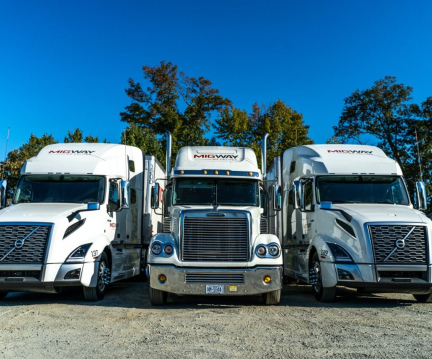
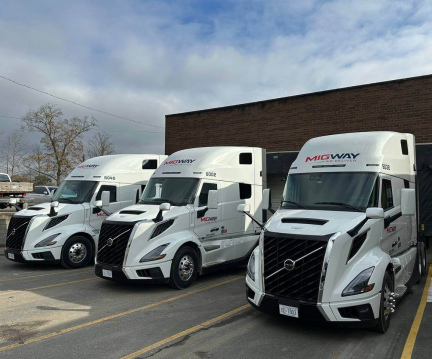
MigWay operates an asset-based fleet of 269 trucks and 450 trailers, supporting full truckload and expedited freight across Kentucky and the Southeast. With 24/7 in-house dispatch and real-time tracking, we deliver predictable execution on lanes like Louisville to Charlotte.
Request a Louisville to Charlotte Freight Quote
If you ship from Louisville to Charlotte and need consistent FTL performance or true expedited support, we can quote quickly and execute cleanly.
Frequently Asked Questions About Louisville to Charlotte Freight
How long does freight shipping take from Louisville to Charlotte?
Most full truckload shipments deliver in one day. Expedited freight can run time-definite next-day delivery depending on pickup timing and receiving requirements.
What are typical Louisville to Charlotte freight rates in 2026?
For 2026 planning, spot rates typically range from $2.54–$2.83 per mile. The national average is about $3.09 per mile, while contract and expedited rates often range from $3.05–$3.19+ per mile.
Do you offer dry van freight shipping from Louisville to Charlotte?
Yes. Dry van is ideal for palletized freight that needs protection from weather and supports clean dock unloads at Charlotte-area facilities.
Do you offer flatbed shipping from Louisville to Charlotte?
Yes. Flatbed is best for steel, machinery, construction materials, and oversized freight that needs top or side loading and proper securement.
What impacts pricing the most on this lane?
Shipment weight and dimensions, service level (standard vs expedited), pickup timing, lane demand, and Charlotte delivery appointment requirements are major pricing drivers.
How can I request a quote fast?
Use MigWay’s freight calculator at https://migway.com/calculate/ or request a Freight Quote.
See also