Why Full Truckload Shipping is the Smartest Choice for High-Volume Freight

The Efficiency Advantage of Full Truckload Shipping
When it comes to transporting large volumes of goods, full truckload shipping (FTL) stands out as the most efficient choice. FTL shipping means that an entire truck is dedicated to a single shipment, which significantly streamlines the transportation process. Unlike less-than-truckload (LTL) shipping, where multiple shipments from different customers are combined, FTL logistics ensure that your freight moves directly from the pickup point to the destination without additional stops or transfers.
The efficiency of FTL transport is further highlighted by its ability to handle large and high-value shipments. Businesses that frequently ship large volumes can benefit from the dedicated capacity of full truckload services, leading to fewer delays and a smoother overall shipping experience. Understanding what FTL means in logistics is crucial for businesses aiming to optimize their supply chain operations.
Speed and Efficiency in FTL Shipping
One of the primary advantages of FTL shipping is its speed and efficiency. Because the full truck is dedicated to a single shipment, there are no additional stops along the route, which can significantly reduce transit times compared to LTL shipping. For companies that rely on timely deliveries, this can be a game-changer.
In the LTL vs FTL debate, speed is a critical factor. FTL shipping ensures that goods arrive faster, making it an ideal choice for businesses with time-sensitive deliveries. Additionally, full truckload carriers can offer more predictable scheduling, allowing businesses to better plan their logistics operations.
Reduced Risk of Damage with Full Truckload Shipping
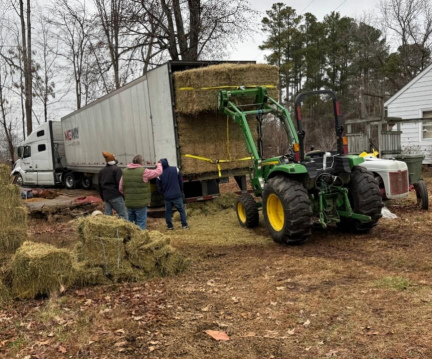
Reduced risk of damage is another significant benefit of full truckload shipping. When a shipment is handled multiple times, as is common with LTL shipping, the chances of damage increase. With FTL transport, the cargo is loaded onto the truck once and remains there until it reaches its destination, minimizing handling and thus reducing the risk of damage.
Understanding what FTL freight means in terms of cargo safety is essential for businesses shipping high-value goods. The fewer hands that touch the freight, the less likely it is to be damaged. This makes FTL shipping a preferred choice for businesses looking to protect their valuable shipments.
Cost-Effectiveness for Larger Loads
Full truckload shipping is also cost-effective for larger loads. While the initial cost of FTL shipping might seem higher than LTL, the overall cost per unit can be lower when shipping large volumes. This is because the pricing structure of full truckload rates is more favorable for high-volume shipments.
For businesses that regularly move large amounts of goods, FTL shipping meaningfully reduces costs associated with multiple LTL shipments. By consolidating all goods into a single full truckload, companies can achieve economies of scale and better control over their shipping expenses.
Flexibility and Control with Full Truckload Shipping
Flexibility and control are additional benefits of full truckload shipping. FTL allows businesses to have more control over their shipments, including the ability to customize routes and schedules according to their specific needs. This level of control is often not possible with LTL shipping, where shipments are combined with those from other companies.
Full truckload services also offer greater flexibility in terms of shipment size and type. Businesses can use FTL transport for a wide range of goods, from perishable items to high-value electronics, ensuring that their specific shipping requirements are met. Full truckload service providers like MigWay offer tailored solutions that cater to the unique needs of each business, enhancing overall logistics efficiency.
Choose MigWay
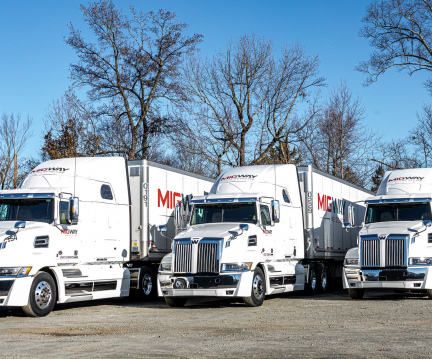
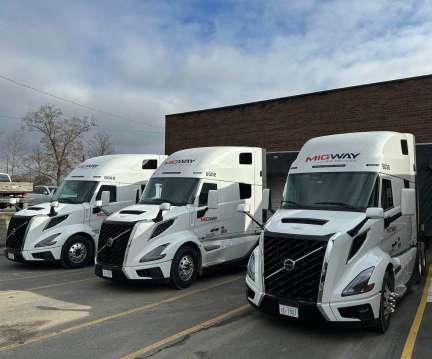
At MigWay, we understand the importance of reliable and efficient shipping solutions for businesses that frequently ship large volumes or high-value goods. Our full truckload services are designed to provide the speed, efficiency, and control you need to keep your supply chain running smoothly.
With our commitment to customer-first service and secure, flexible logistics solutions, MigWay is your trusted partner for all your full truckload shipping needs. Trust us to deliver your goods safely and on time, every time.
Frequently Asked Questions (FAQ)
1) What is full truckload (FTL) shipping?
FTL is when one shipment uses the entire trailer. The freight stays on the same trailer from pickup to delivery, which reduces handling and supports faster, cleaner transit.
2) When is FTL the smartest choice for high-volume freight?
Choose FTL when you can fill most of a trailer, when you need reliable transit time, or when your freight is time-sensitive, high-value, or sensitive to handling.
3) How is FTL different from LTL?
FTL moves one shipper’s freight in one trailer. LTL combines freight from multiple shippers with multiple stops, more handling, and more chances for delays or damage.
4) Does FTL reduce the risk of damage or claims?
Often, yes. With FTL, freight is loaded once and typically stays sealed until delivery, which means fewer touches, fewer terminals, and fewer opportunities for damage.
5) Is FTL faster than LTL?
In most cases, yes. FTL usually goes direct or with limited stops, while LTL routes through terminals and multiple transfers that can extend transit time.
6) How do I know if my shipment “fills a truck”?
As a rule of thumb, FTL is a strong fit when you have 10 to 26 pallets, larger freight footprints, or enough weight or cube to justify a dedicated trailer. The final decision depends on pallet size, stackability, and weight distribution.
7) What shipment details do I need to quote an FTL load?
Pickup and delivery locations, pickup date, commodity type, pallet count, total weight, dimensions if oversized, any special requirements (appointment, liftgate, tarps for flatbed, etc.), and your target delivery window.
8) Can FTL help with tighter scheduling and facility appointments?
Yes. A dedicated trailer and single shipment plan makes appointment scheduling simpler, reduces missed windows, and helps your dock teams plan labor and staging more accurately.
9) What trailer types are common for high-volume freight?
Dry van is common for general freight. Flatbed is used for over-dimensional freight or freight that cannot be loaded through a rear door. Your lane, freight type, and loading method determine the best equipment.
10) What should I do if my volume is consistent every week?
Build a repeatable lane plan. Share forecasts early, keep loading times tight, and standardize pickup and delivery requirements. Consistency helps carriers plan capacity and protect service when the market tightens.
See also